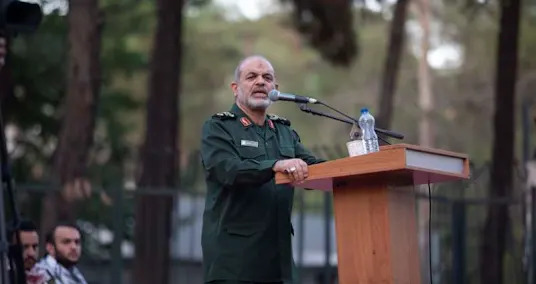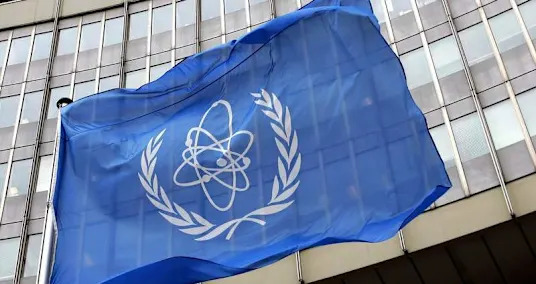
Tehran criticized the International Atomic Energy Agency (IAEA) in strong terms on Monday for inaction after repeated US and Israeli attacks near Iran's sole nuclear power plant.
In a letter to IAEA Director General Rafael Grossi, Iran’s Atomic Energy Organization chief Mohammad Eslami criticized him for failing to condemn the latest attack near the Bushehr nuclear power plant strongly enough.
This could encourage the “aggressors” to repeat these attacks, Eslami wrote, according to a report by the state-run news agency IRNA.
In Saturday's attack near the nuclear power plant in the south of the country, a member of the security staff was killed and an ancillary building was damaged. No damage was reported to the nuclear power plant itself.
But this is the fourth time since Israel and the US began the war in late February that a projectile has struck near the nuclear power plant or its premises.
The facility is Iran’s only nuclear power plant and is located about 760 kilometres south of Tehran on The Gulf. Its Russian-designed reactor has been generating electricity since 2011. The Russian state-owned nuclear company Rosatom is currently building a second reactor unit.
LATEST POSTS
- 1
 Figure out how to Perceive Warnings while Looking for an Auto Collision Lawyer
 - 2Fake new headlights rule steer Australian drivers astray
- 3NASA satellite gazes into Medusa Pool | Space photo of the day for Dec. 24, 2025
- 46 Popular Men's Aromas On the planet
- 5Vehicle Lovers' Decision: Purchase A Reasonable Vehicle


- The architect of Iran’s military survival remains defiant
- Figure out How to Ascertain the Restitution Time frame for Your Sunlight based chargers
- Must-See Attractions in Washington, D.C.
- Good ways to respond if your kid brings home less-than-ideal grades
- Top 20 Style Brands for Pioneers
- Figure out How to Reveal Stowed away Open Record Rewards
- Scientists sent a menstrual cup to space. This is how it went
- Triple polar vortex to plunge central and eastern U.S. into Arctic cold through mid-December
- Nestlé recalls infant formula in 49 countries. See list.