CAPE CANAVERAL, Fla. (AP) — A telescope in Chile has captured a stunning new picture of a grand and graceful cosmic butterfly.
The National Science Foundation’s NoirLab released the picture Wednesday.
Snapped last month by the Gemini South telescope, the aptly named Butterfly Nebula is 2,500 to 3,800 light-years away in the constellation Scorpius. A single light-year is 6 trillion miles.
At the heart of this bipolar nebula is a white dwarf star that cast aside its outer layers of gas long ago. The discarded gas forms the butterflylike wings billowing from the aging star, whose heat causes the gas to glow.
Schoolchildren in Chile chose this astronomical target to celebrate 25 years of operation by the International Gemini Observatory.
___
The Associated Press Health and Science Department receives support from the Howard Hughes Medical Institute’s Department of Science Education and the Robert Wood Johnson Foundation. The AP is solely responsible for all content.
LATEST POSTS
- 1
 Huge rotating structure of galaxies and dark matter is detected
 - 2Humpback whale freed by rescuers in Baltic Sea has become stranded again
- 3Rick Steves' Newest Guidebook Is A Fresh Perspective On Italy Spilling The Country's Secrets
- 4Desired Travel Objections Worldwide: Where to Go Straightaway
- 5Astronauts' brains change shape and position after time in space, study finds




- Holden Commodore Turbo BT1 Police Interceptor Offered for Sale in Australia
- Rights group: At least 2,500 deaths during protest crackdown in Iran
- Going with Children: Tips for Tranquil Family Get-aways
- Electric discovery on Mars! Scientists find tiny lightning bolts coming from Red Planet dust clouds
- 10 Hints and Deceives to Expand Cell Phone Information Use: Capitalize on Your Information
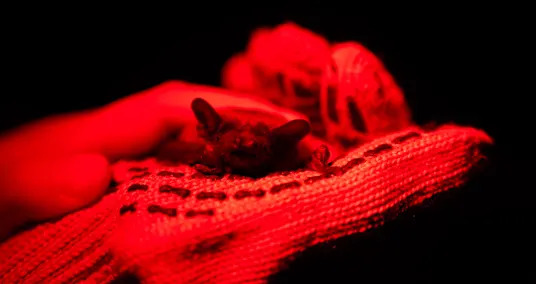
- After harsh winter, Ukrainians find joy in releasing bats rescued from war
- Fascinating Fishing Objections From Around The World
- Novo Nordisk slashes prices of popular weight loss and diabetes drugs
- Aspect Biosystems receives funding for cellular medicine project